What Is The Difference Between Planning Permission And Building Regulations?
You are here:
Home Page > Building Regs > Planning Permission And Building Regulations
Planning permission is a vast subject that keeps countless numbers of Whitehall mandarins busy churning out reams of red-tape – laws, sub-laws, policy reviews, recommendations and documents using enough paper to fell three Amazonian rain forests.
Thankfully, not much of it applies to loft conversions.
Very simply put, planning is concerned with the environment as a whole and in protecting that environment in the public interest.
In other words, you may have always longed to improve your timber-framed grade two listed cottage with a spot of pebble dashing and a new porch but those people who come to gaze at the azaleas creeping around your two-hundred year-old oak doorframe wouldn’t like it.
So you wouldn’t get planning approval.
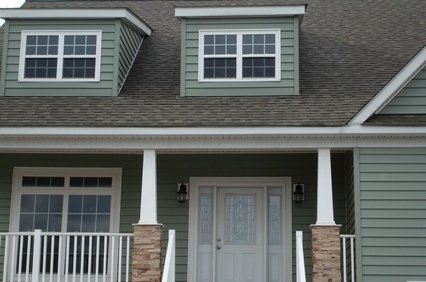
But, the permitted development rules and building regulations approval are for the rest of us who don’t live in national parks, conservation areas or listed buildings.
Whereas planning controls the environment as a whole, the building regulations are designed to ensure that heath and safety standards are met rather that worrying too much about the aesthetics of a project.
A loft conversion on a post-war estate would have less visual impact on the environment than pebble-dashing a three hundred year-old cottage.

Quick Recap
Ordinarily you would only need to apply for planning permission for your conversion if:
* You are lucky enough to live in a national park or area of outstanding natural beauty.
* Any addition to the roof slope faces a highway.
* If any part of your proposed conversion will be higher than the existing roof line.
* Your home is a listed building
* If the original house is to be increased by 50 cubic meters (40 cu m for terraced houses) or 10% in both cases.
For more info see the related pages below
More About Planning Permission
Why Your Loft Conversion Must Have Building Regulations Approval



Be Prepared!

Latest Headlines

Search This Site

Take Me Home!

Latest Articles
-
What Is Vermiculite Loft Insulation?
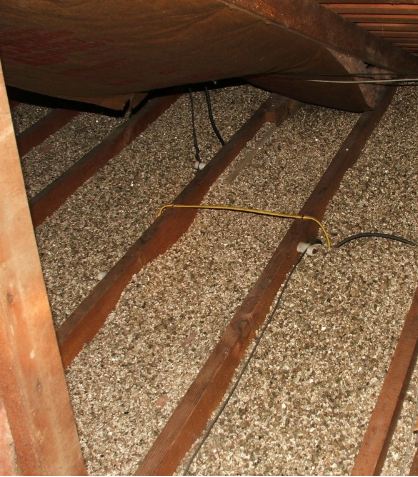 Vermiculite Loft Insulation is an echo-friendly alternative to traditional insulation materials
 -
The Loft Water Tank Moving And Repositioning
The old loft water tank will need to be moved if the roof space is being converted into a habitable room -
Structural Calculations For Loft Conversions
 Structural calculations for loft conversions are of course hugely important to ensure safety and that the proposed plans meet building regulations